West
I immigrated to Canada from Africa when I was 17 years old. Three years later, I found myself deep in the Rocky Mountains in Alberta.
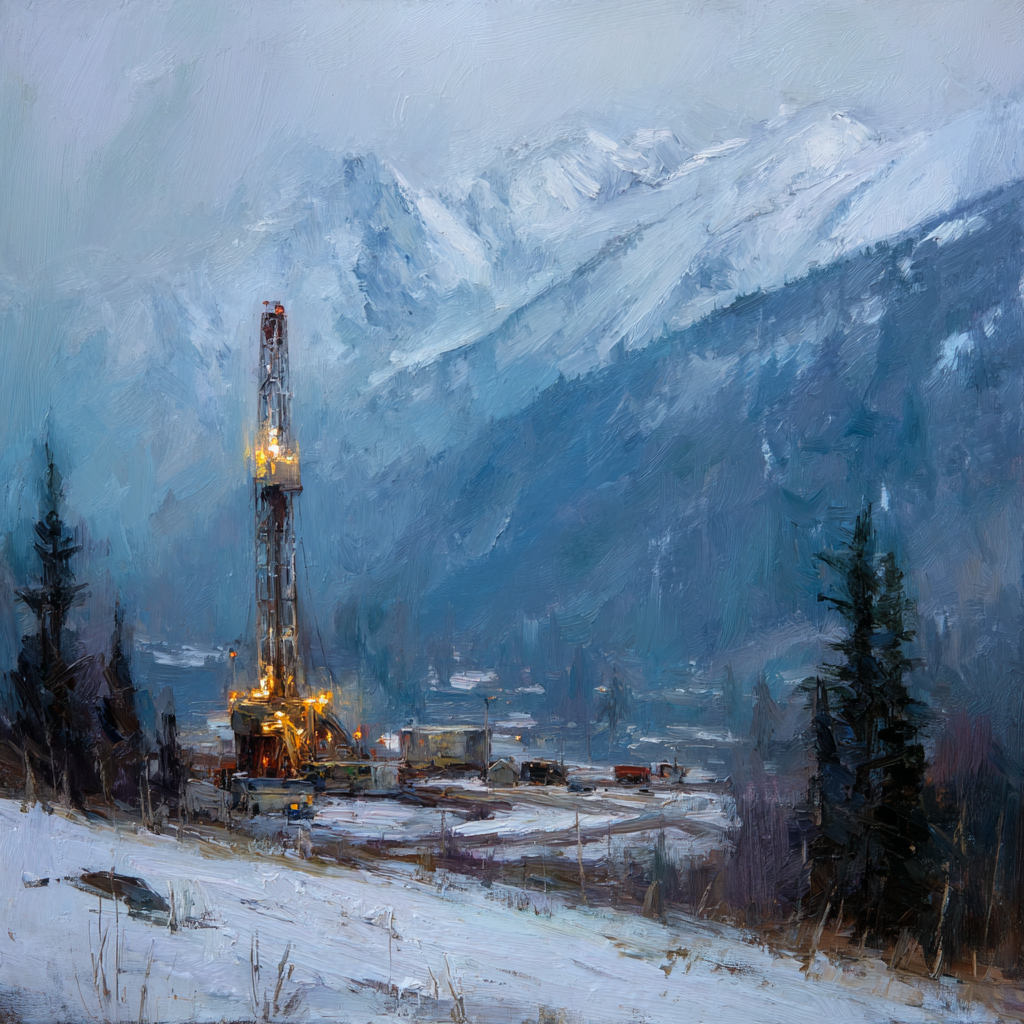
I was an engineering student at the University of Waterloo. A small company in Calgary hired me for a co-op term. They installed weather monitoring towers on oil drill sites deep in the Rockies. The towers tracked conditions and told the operators when to flare off gas. My job was to configure the software that operated these sensors. I used to configure every tower before it went out. Sometimes I had to go to the site and set it up too.
The drives were five, six hours. From the office in Calgary into the foothills, then deeper, into country that didn’t look like anything I knew.
My partner on most of these trips was a technician named Bing. Filipino, late thirties, endlessly cheerful. He handled the physical side—the eighty-foot towers, the equipment, the installations. I handled the laptop. We told each other stories to pass the time.
He told me once about a Coca-Cola sales rep who went to a remote village in the Philippines and ended up marrying two sisters, both daughters of the village chief. We both marveled at the man. I don’t know if it was true, but it didn’t matter. We had hours to fill.
On one trip, the truck’s 4x4 failed to engage going up a snowy dirt track. The tower behind us — eighty feet of steel on a trailer — started pulling us backward towards a long tumble down the mountainside.
It was a nail-biting moment. I had my hand on the passenger door, ready to spring it open and jump hoping to clear the truck in case it did fall off the side of the mountain. Bing manuevered the truck like a maniac, moving this way and that, until he negotiated the tower to back into a rock outcropping to stop our slide. Panting from the pure adrenaline we called the drill site ahead to tow us in.
The drill sites were strange places. Remote, but full of activity around the clock. The roughnecks lived on-site, worked in shifts, slept in trailers. I remember walking past one trailer and seeing a group of them watching hardcore porn, door wide open, like it was the evening news.
They didn’t know what to make of me. This skinny desi kid who showed up, plugged in a laptop, typed for a while, and left. Once I drove six hours to make a configuration change that took ten seconds. The on-site supervisor watched me do it and said, with something like wonder, “That just cost us five thousand dollars.”
The company was a husband-and-wife operation. He was a physics grad from University of Toronto — a quiet relaxed man. She was warm and welcoming. This was deep in today’s red state Alberta, though back then people were not polarized to the point of paranoia like now.
I explored Calgary by riding buses and trains all over the city. I signed up for a fencing class and made friends I lost touch with immediately. I lived with a kindergarten teacher who was friendly but was an intense germophobe and was convinced her two subletters were going to kill her by cooking in her kitchen.
Once a door-to-door missonary stopped by. I was still in my know-it-all phase, and I invited him in and had a pointless debate.
In my spare time, I built something for work.
The towers our company installed were in remote drill sites in the Rockies and were totally isolated from the world. The data they collected could only be shared with client head offices after the towers were returned which could be weeks. Clients therefore could not monitor the conditions on their drill sites in real time. But in 2004, satellite modems existed, and I started wondering.
Eventually I built a system that pulled sensor data in real time from these remote drill sites and displayed it on a website for our clients. A cool dashboard showing conditions at each tower, live, from anywhere in the world. It was a moment of transformation for the company and it blew everyone’s minds.
It was one of my early glimpses of what technology could do. I found that inspiring, and I still do.